Post-Surgery Diet for Children: A Comprehensive Guide
Introduction
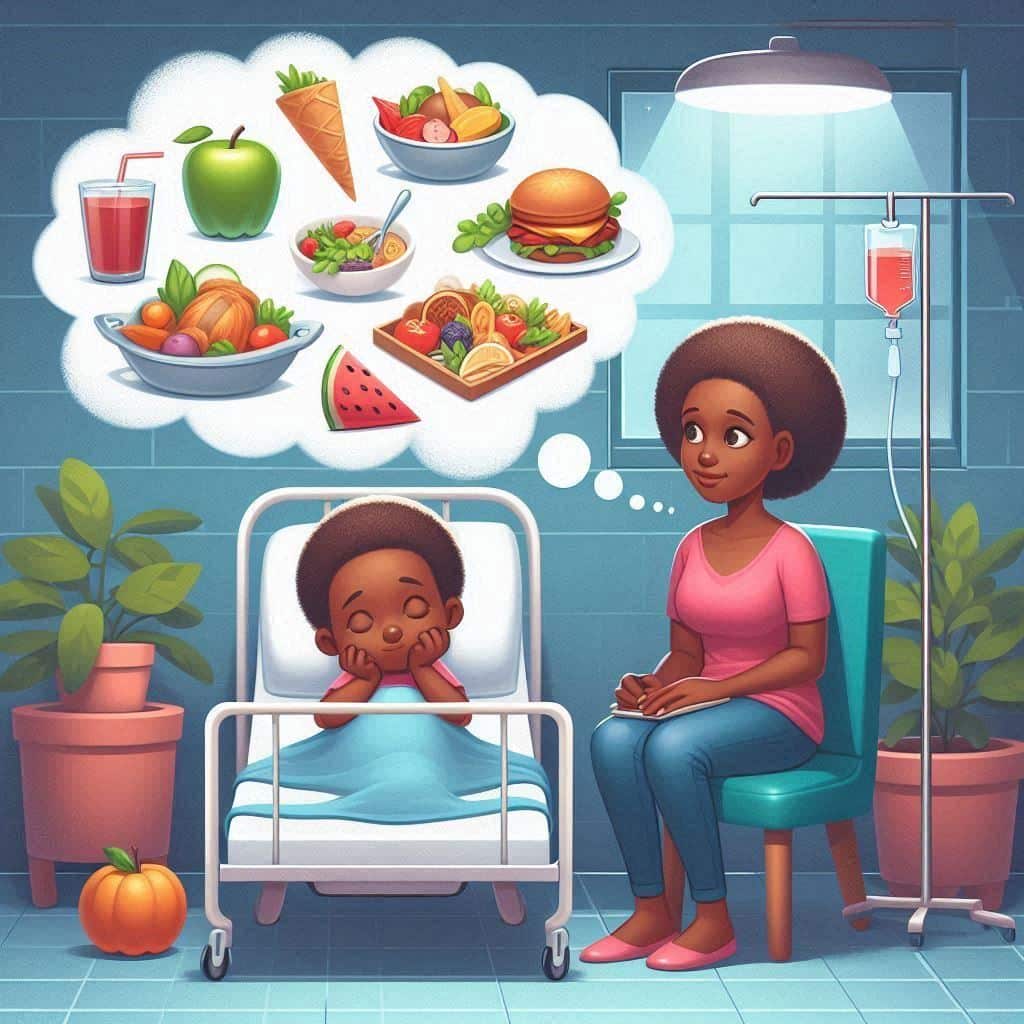
Post-surgery nutrition is a critical aspect of recovery for children. Proper dietary management can significantly impact healing, reduce complications, and ensure a smoother transition back to normal activities. This guide provides a detailed overview of the dietary progression from clear liquids to normal diet, the signs and symptoms surgeons look for before starting a diet, and specific considerations for various types of surgeries.
1) Initial Phase: Clear Liquids
Clear liquids are the first step in post-surgery dietary progression. These include water, clear broths, apple juice, and electrolyte solutions. The primary goal is to keep the child hydrated while minimizing the risk of nausea and vomiting. Clear liquids are easy to digest and leave little residue in the gastrointestinal (GI) tract. Tolerating clear liquids means that the GIT is functioning well. It also stimulates intestinal movements.
2) Transition to Soft Solids
Once the child tolerates clear liquids without any issues, the next step is to introduce soft solids. This phase includes foods like mashed potatoes, yogurt, applesauce, and well-cooked cereals. These foods are gentle on the digestive system and provide more nutrients and energy to support healing. For Indian Scenario these include Idly, Kichchdi, soups, dosa, rice porridge.
3) Normal Diet
The final phase is the gradual reintroduction of a normal diet. This includes a balanced intake of proteins, carbohydrates, fats, vitamins, and minerals. The transition should be slow and monitored to ensure the child does not experience any discomfort or digestive issues.
In a concept called ERAS( enhanced recovery after surgery) program, these transitions are fast tracked so that child can resume normal diet and activities soon.
Variable Duration of NPO Periods
The duration of NPO (nil per os) or fasting periods can vary based on the type of surgery and the child’s condition. For example, children undergoing major abdominal surgeries may have longer NPO periods compared to those having minor procedures. Day care and minor surgeries, surgeries not related to GIT, even simple appendicitis are all started diet on the same day of surgery or within 24hrs.
Signs and Symptoms for Starting Diet in GI Surgeries
Surgeons look for several signs and symptoms before starting a diet after GI surgeries:
- Return of bowel sounds: Indicates that the intestines are beginning to function again.
- Passing gas or stool: Shows that the digestive system is working.
- Absence of nausea and vomiting: Suggests that the child can tolerate oral intake.
- Minimal abdominal distension: Indicates that there is no significant swelling or obstruction.
- Low output in Nasogastric tube or drains.
- Baby not on any major supports like medicines to maintain BP and Heart rate, ventilator, respiratory difficulty.
Additional Considerations
Hydration: Keeping the child well-hydrated is crucial throughout the recovery process. Clear liquids and soft foods with high water content, such as soups and smoothies, can help maintain hydration levels.
Nutritional Needs: Post-surgery, children need adequate nutrients to support healing. Vitamins such as Vitamin C, zinc, and Vitamin A are particularly important for preventing infections and promoting wound healing.
Cultural Considerations
Non-Vegetarian Foods: Indian parents often wonder when to reintroduce non-vegetarian foods post-surgery. Generally, non-vegetarian foods like chicken and fish can be reintroduced once the child is tolerating soft solids well. These foods provide essential proteins that are crucial for healing.
Rice and Dal: Rice and dal are staples in many Indian diets. They are generally safe to consume post-surgery and can be introduced during the soft solids phase. Both are easy to digest and provide necessary carbohydrates and proteins. There is no evidence to suggest that rice and dal negatively affect wound healing.
Allopathy vs. Ayurveda: Many Indian parents compare allopathic and Ayurvedic approaches to post-surgery care. Allopathy focuses on evidence-based practices and immediate symptom management, while Ayurveda emphasizes holistic and preventive care. Both systems have their merits. This article is not compare the systems but to emphasise the fact that parents need to practice single method of care rather than mix both systems of medicine.
Ayurvedic Perspective on Diet and Wound Healing
Ayurveda too emphasizes the importance of a balanced diet for wound healing. According to Ayurvedic texts, certain foods and herbs can promote faster recovery:
- Moong Dal: Highly recommended for its easy digestibility and high protein content, which aids in tissue repair.
- Old Rice: Considered beneficial when prepared as hot liquefied food (like manda or peya) mixed with ghee and meat soup, promoting quick wound healing.
- Turmeric: Known for its anti-inflammatory properties, turmeric can be added to food to support the healing process.
- Ghee: Used in moderation, ghee is believed to aid in digestion and provide essential fats for recovery.
Managing Gas and Indigestion
Post-surgery, children may experience gas and indigestion. To manage these issues:
- Introduce foods gradually: Start with easily digestible foods and slowly introduce more complex items.
- Avoid gas-forming foods: Limit foods like beans, cabbage, and carbonated drinks initially.
- Encourage small, frequent meals: This can help prevent overloading the digestive system.
Conclusion
Understanding when and how to feed a child after surgery is crucial for parents. Clear communication with the surgical team and careful monitoring of the child’s response to dietary changes can help ensure a smooth recovery. Always follow the specific guidelines provided by your child’s healthcare team to address any unique needs or concerns.