Branchial Anomalies

Understanding Branchial Anomalies: A Guide for Parents

Welcome to our health blog! Today, we’ll explore a topic that might sound complicated but is quite manageable with the right information: Branchial Anomalies. As a pediatric surgeon, I often encounter parents with many questions about this condition. Let’s dive into some of the most frequently asked questions to help you understand what branchial anomalies are, how they affect your child, and what treatment options are available.

What Are Branchial Anomalies?

Q: What is the meaning of the term “branchial”?

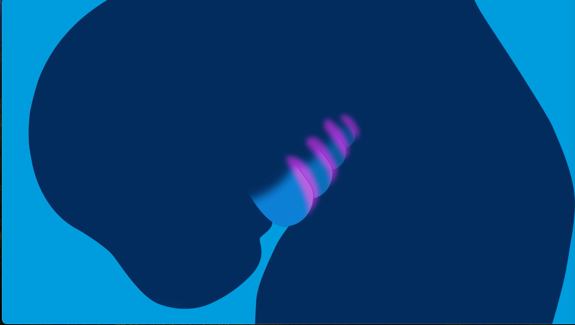
A: Before we dive into what branchial anomalies are, it’s important to understand the term “branchial.” During the development of a fetus in the womb, the structures of the neck, such as the thyroid gland, the voice box (larynx), the airway cartilages, and parts of the ear, develop from a structure called the Branchial Arch system. Think of these arches as scaffolding that helps form these important parts of the neck and ear. Once these structures are fully developed, the remaining parts of the arches, having served their purpose, should disappear. However, sometimes, due to unknown reasons, these remnants do not disappear and can be present at birth, leading to what we call branchial anomalies.

Branchial cleft anomaly in a child – illustration 1
Branchial cleft anomaly in a child – illustration 2

Types of Branchial Anomalies

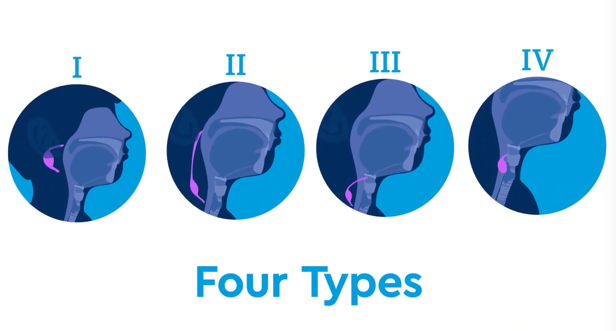
Q: What are the different types of branchial anomalies?

A: There are three main types of branchial anomalies: cysts, sinuses, and fistulas. Let’s explore each of them in simple terms:

  1. Branchial Cysts:A branchial cyst is a fluid-filled sac that can form anywhere along the side of the neck. These cysts are typically not painful but can grow larger over time. They can potentially get infected forming abscess. Imagine a small balloon filled with fluid just under the skin.
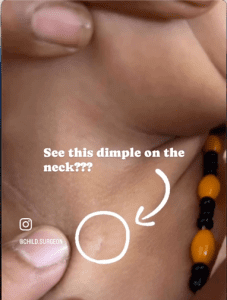
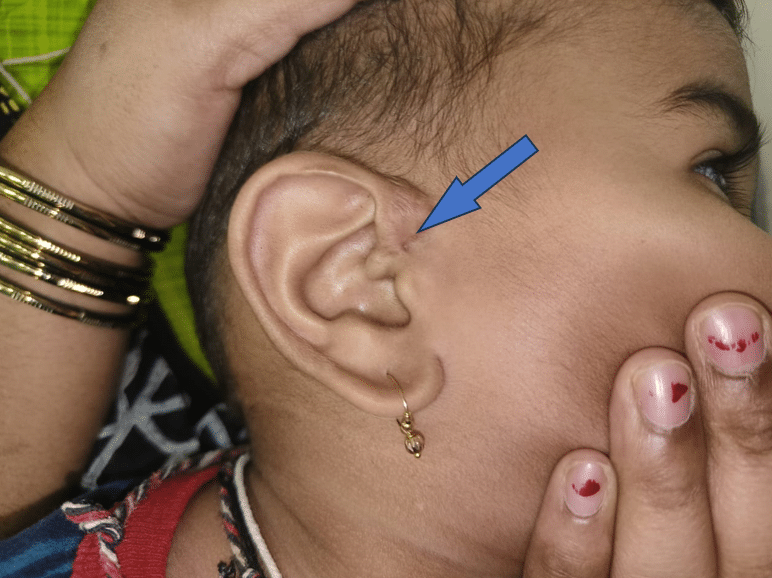
  2. Branchial Sinuses:A branchial sinus is a small opening on the skin, usually around the neck or near the ear. This opening leads to a narrow tract that can sometimes discharge fluid. It’s like a tiny hole that wasn’t supposed to be there, leading to a narrow pathway under the skin. The pathway is like a tunnel that opens to the skin but ends in a dead end at the other end.
Branchial Anomalies
Branchial cleft anomaly in a child
  1. Branchial Fistulas:A branchial fistula is a complete tract that connects the skin to the inside of the throat. This tract can cause infections and discharge mucus or other fluids. Think of it as a small tunnel that shouldn’t be there, connecting two parts that should have been separate.
Branchial cleft anomaly in a child

Causes and Symptoms

Q: What causes branchial anomalies?

A: Branchial anomalies occur due to incomplete or abnormal development of the branchial arches during fetal growth. The exact cause isn’t always clear, but these anomalies are congenital, meaning your child was born with them. Because the neck is short in newborns, you may not have noticed it in early years.

Q: What are the common symptoms of branchial anomalies?

A: Symptoms vary depending on the type of anomaly. Common signs include:

  • A visible opening or dimple in the neck (branchial sinus)
  • Recurrent infections or fluid discharge from the neck (branchial fistula)
  • A painless, movable lump on the side of the neck (branchial cyst)

Diagnosis and Treatment

Q: How are branchial anomalies diagnosed?

A: Diagnosis typically involves a physical examination and imaging studies like ultrasound or MRI to get a clear picture of the anomaly’s structure. Mos of the times clinical examination is all that is required.

Q: What are the treatment options for branchial anomalies?

A: Treatment usually involves surgical removal of the sinus, fistula, or cyst to prevent recurrent infections and other complications. The surgery is generally straightforward and performed under general anesthesia.

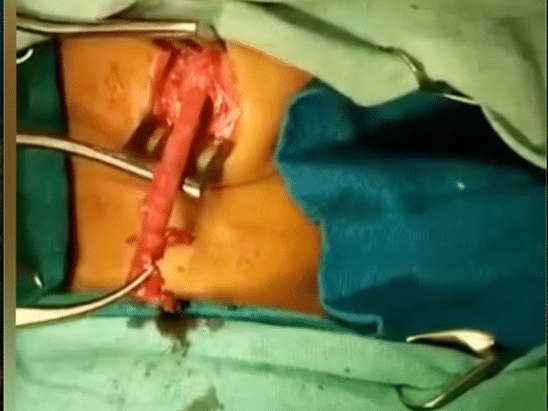
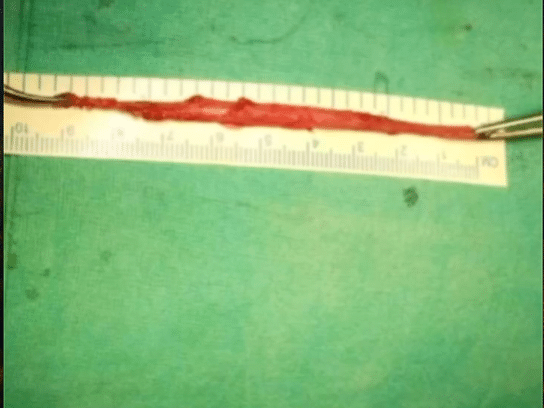
In the figure below you can see the fistula been dissected along its course and been removed. Notice the length of the fistula being 10 cm long. This connected the hole on the skin to the throat at the level of tonsils.

Branchial cleft anomaly in a child – illustration 6
Branchial cleft anomaly in a child – illustration 7

Surgery and Recovery

Q: What should I expect during my child’s surgery for a branchial anomaly?

A: The surgery to remove a branchial anomaly is typically done under general anesthesia. Your child will be asleep and pain-free during the procedure. The surgeon will make a small incision to remove the abnormal tissue completely. In case of Sinus and Cyst, the incision / cut will be single. In case of fistula there may be requirement of two cuts to remove the fistula completely. The surgery may last for close to an hour usually. The cuts would be closed with absorbable stitches and in a cosmetic manner so that the scar is not left behind. Child can be discharged on the same day or by the next day.

Q: What is the recovery process like after surgery?

A: Recovery is usually smooth. Your child may experience some discomfort and swelling at the surgery site, but this can be managed with pain medication. It’s important to keep the surgical site clean and follow your surgeon’s post-operative care instructions. There will be no need for repeated dressings. No difficulty in swallowing and No diet restrictions. The child would completely recover within few days.

Concerns and Support

Q: Are there any risks associated with branchial anomaly surgery?

A: As with any surgery, there are risks, but they are generally low. Potential complications include infection, bleeding, and scarring. However, these are rare, and your surgeon will take all necessary precautions to minimize these risks.

Q: How can I support my child through this process?

A: Being informed and calm will help reassure your child. The complications of not removing the branchial anomalies especially infection and its associated problems are definitely larger than the surgical treatment. Follow the post-operative care instructions as told by your surgeon.

Conclusion

Branchial anomalies might seem daunting at first, but with proper diagnosis and treatment, your child can lead a healthy and active life. If you have any concerns or questions, don’t hesitate to reach out to me . I am here to support you and your child every step of the way.
Remember, understanding the condition and its treatment options can make a significant difference in managing your child’s health. Thank you for visiting our health blog, and stay tuned for more informative posts!

Feel free to share this article with other parents who might find it helpful. If you have any specific questions or need further clarification, contact us directly.

Quick Links